

Introduction
Cultured stone, also known as manufactured or artificial stone, has been gaining popularity in the construction industry due to its versatility, aesthetic appeal, and cost-effectiveness. This article explores the evolution of modern cultured stone, its advantages, applications, and sustainability in the construction industry.
Evolution of Cultured Stone
Cultured stone has a long history dating back to ancient civilizations such as the Romans, who used a form of artificial stone called "opus caementicium" in their architecture. However, modern cultured stone as we know it today has evolved significantly over the years.
The development of modern cultured stone can be traced back to the mid-20th century when manufacturers began experimenting with new materials and techniques to create a more durable and affordable alternative to natural stone. Initially, the early versions of cultured stone were made from a mixture of cement, aggregates, and pigments molded into various shapes and textures to mimic the look of natural stone.
As technology advanced, manufacturers started using lightweight materials such as glass fiber reinforced concrete (GFRC) and polyurethane to create more realistic and versatile cultured stone products. These advancements allowed for greater flexibility in design, improved durability, and a wider range of color options.
Advantages of Modern Cultured Stone
Modern cultured stone offers a myriad of advantages compared to natural stone and other building materials. Some of the key benefits include:
1. Ledge stone for rural cottages -Effectiveness: Cultured stone is generally more affordable than natural stone, making it a cost-effective alternative for homeowners and builders looking to achieve the look of real stone without breaking the bank.
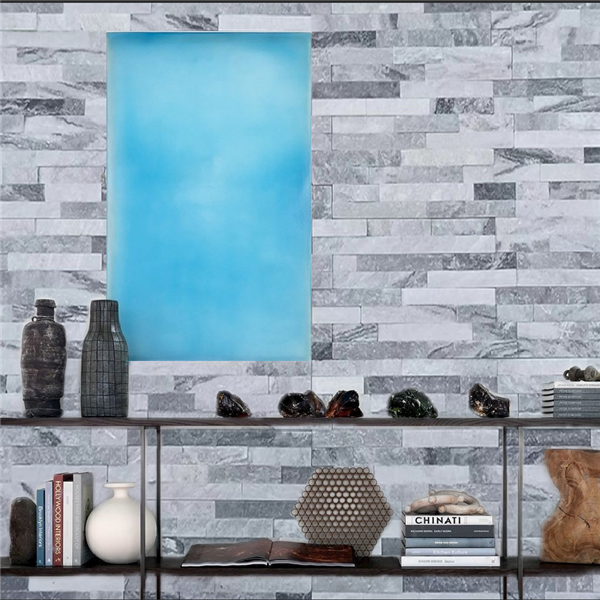
2. Lightweight: Cultured stone is significantly lighter than natural stone, making it easier to transport, handle, and install. This lightweight characteristic also reduces the structural requirements of a building, resulting in cost savings.
3. Versatility: Cultured stone comes in a wide variety of shapes, sizes, colors, and textures, allowing for endless design possibilities. Whether you're looking to create a rustic, traditional, or modern aesthetic, there's a cultured stone product to suit your needs.
4. Durability: Modern cultured stone is manufactured to be highly durable and weather-resistant, ensuring that it can withstand the elements and maintain its appearance over time. This longevity makes it a wise investment for both residential and commercial projects.
5. Ease of Installation: Cultured stone is relatively easy to install compared to natural stone, saving time and labor costs during construction. Many cultured stone products are designed to interlock or stack seamlessly, simplifying the installation process.
6. Sustainability: Cultured stone is an environmentally friendly building material that can help reduce the demand for natural stone, which is often quarried at the expense of the environment. By choosing cultured stone, builders can contribute to sustainable construction practices.
Applications of Cultured Stone
Modern cultured stone can be used in a wide range of applications, both interior and exterior, to enhance the aesthetic appeal of a building. Some common uses of cultured stone include:
1. Exterior Cladding: Cultured stone is commonly used as an exterior cladding material to enhance the curb appeal of residential and commercial buildings. It can be applied to facades, pillars, chimneys, and other exterior surfaces to create a striking visual impact.
2. Interior Accent Walls: Cultured stone can be used to create eye-catching accent walls in living rooms, bedrooms, and other interior spaces. Whether you're going for a rustic, industrial, or contemporary look, cultured stone can add texture and warmth to any room.
3. Fireplace Surrounds: Cultured stone is a popular choice for fireplace surrounds due to its durability and heat-resistant properties. It can be used to create a rustic, traditional, or modern fireplace design that serves as a focal point in any living space.
4. Landscaping Features: Cultured stone can be incorporated into landscaping features such as retaining walls, garden beds, pathways, and water features to add visual interest and texture to outdoor spaces. Its lightweight nature makes it ideal for DIY projects in the garden.
5. Architectural Details: Cultured stone can be used to create architectural details such as columns, arches, and cornices that enhance the overall design of a building. These decorative elements can be customized to match the style and aesthetic of the structure.
Sustainability of Cultured Stone
In an era where sustainable building practices are becoming increasingly important, cultured stone offers a eco-friendly alternative to natural stone that helps reduce the environmental impact of construction. Some key sustainability benefits of cultured stone include:
1. Reduced Environmental Impact: Cultured stone is manufactured using a combination of natural and recycled materials, reducing the need for quarrying of natural stone and the depletion of natural resources. This helps protect the environment and minimize carbon emissions associated with transportation.
2. Energy Efficiency: Cultured stone production processes have become more energy-efficient over the years, resulting in lower energy consumption and greenhouse gas emissions. Manufacturers are also investing in renewable energy sources to power their facilities, further reducing their carbon footprint.
3. Longevity and Durability: Cultured stone is designed to be highly durable and weather-resistant, minimizing the need for frequent replacement or maintenance. This longevity ensures that buildings constructed with cultured stone have a longer lifespan, reducing waste and conserving resources in the long run.
4. Recyclability: Cultured stone products are often recyclable at the end of their life cycle, allowing the materials to be repurposed or recycled into new products. This closed-loop recycling system helps reduce waste and promotes a circular economy within the construction industry.
Conclusion
Modern cultured stone has come a long way since its humble beginnings, offering a cost-effective, versatile, and sustainable alternative to natural stone in construction. With its wide range of design options, durability, and eco-friendly properties, cultured stone has become a popular choice for builders and homeowners looking to enhance the aesthetic appeal of their projects. As technology continues to advance, we can expect to see even more innovative uses of cultured stone in the future, further solidifying its place in the construction industry.